
A Brief Intro into Vanillin
In this article, we’re delving into the intricacies of natural vanillin – vanilla’s beloved primary component – which often overshadows other flavor components and can take on many shapes and forms.
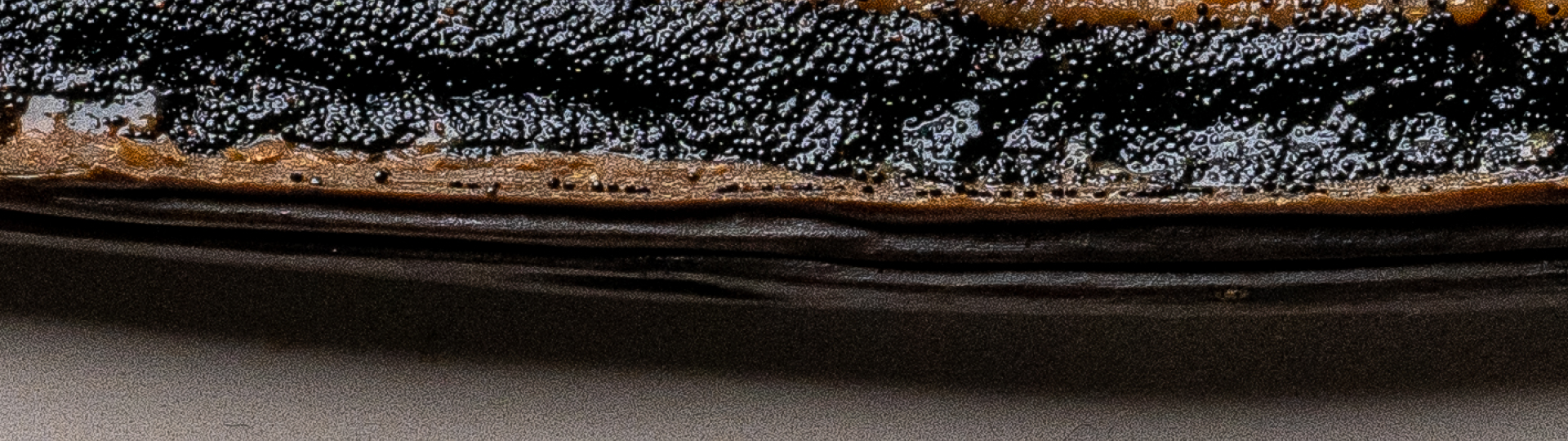
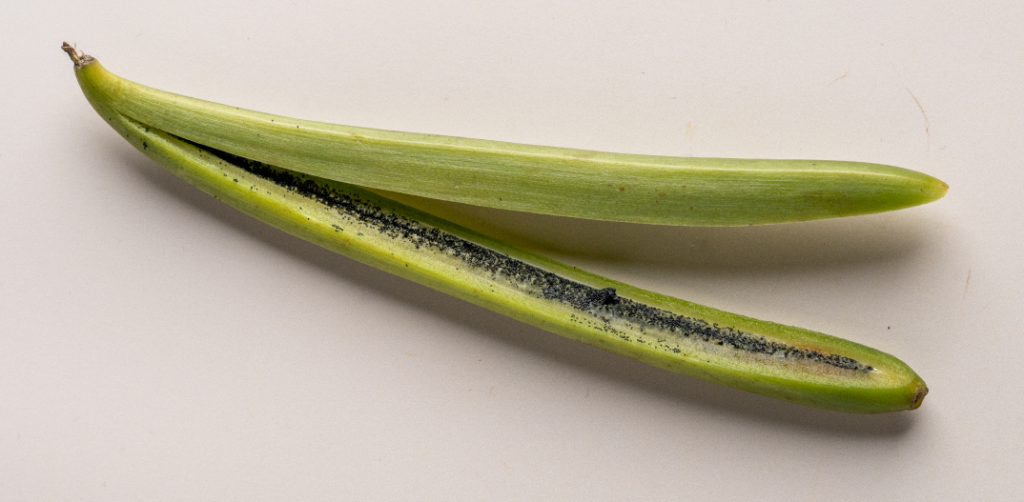
Vanillin is a chemical compound found in vanilla. It is responsible for approx. 70% of the aroma derived from natural vanilla. Now, while this may seem like a random scientific fact, it is actually very unique. The major constituent found in most edible plants is responsible for 5%-10% of their aroma. But vanilla is different, as its major constituent is a central parameter in determining aroma quality, alongside external factors such as timely harvesting and optimized curing.
Vanillin is not alone
Vanillin is very dominant, and therefore many people think it is the only chemical compound responsible for vanilla flavor. But in fact, vanillin is only one of approximately 300 aroma molecules found in vanilla, which, together, are responsible for the plant’s remaining aroma profile. 30% isn’t small potatoes, and these 300 molecules go a long way in creating a rich flavor profile. Without them, vanillin stands alone in defining a vanilla flavor that may be tasty and aromatic, but also lacking in depth and texture. Just think of the comparison between white sugar and rich natural maple syrup, or between a wine made from a single grape variety and an exquisite blend from a select winery with deep flavors and a robust bouquet.
The point we are trying to make is this: when natural vanilla is harvested and cured to perfection, the dominance of vanillin is evident but it never stands alone. All molecules play their part in creating an intoxicating flavor and fragrance.
The problem(s) of synthetic vanillin
Vanilla is currently the world’s second most expensive raw ingredient, after saffron. The steep price of vanilla has led many F&F companies to replace natural vanilla with a synthetic substitute. Now, recreating a blend of 300 molecules is hard, but since a single vanillin molecule is responsible for a majority of vanilla flavor, the industry found a way to create synthetic vanillin and use it as a basis for vanilla-based products. The result is – you guessed it – rather one-dimensional and lacking in depth. It’s also extremely unhealthy, as synthetic vanillin is chemically engineered from oil derivatives
Unfortunately, synthetic vanillin has taken over the market, and is currently found in 80% of all vanilla-based products. What this means is that most people are not exposed to the true richness and depth of vanilla flavor, but rather to super-sweet and one-dimensional vanillin (which is sadly synthetic).
The world craves natural flavors
In recent years, consumers have begun demanding products based on natural ingredients, and food and cosmetics industries are reducing their reliance on synthetic materials in an effort to craft clean label products.
Since vanilla is very expensive, food industry technologists began searching for a non-vanilla natural vanillin source. They eventually found that it was possible to synthesize natural vanilla from the waste residue of rice bran. The good news? It’s not synthetic vanillin. The bad news? It has nothing to do with vanilla – and the flavor is still one-dimensional. But the market responded nicely to natural rice bran vanillin, and it can currently be found in 15% of all vanilla-based products.
Great vanillin doesn’t necessarily grow on trees
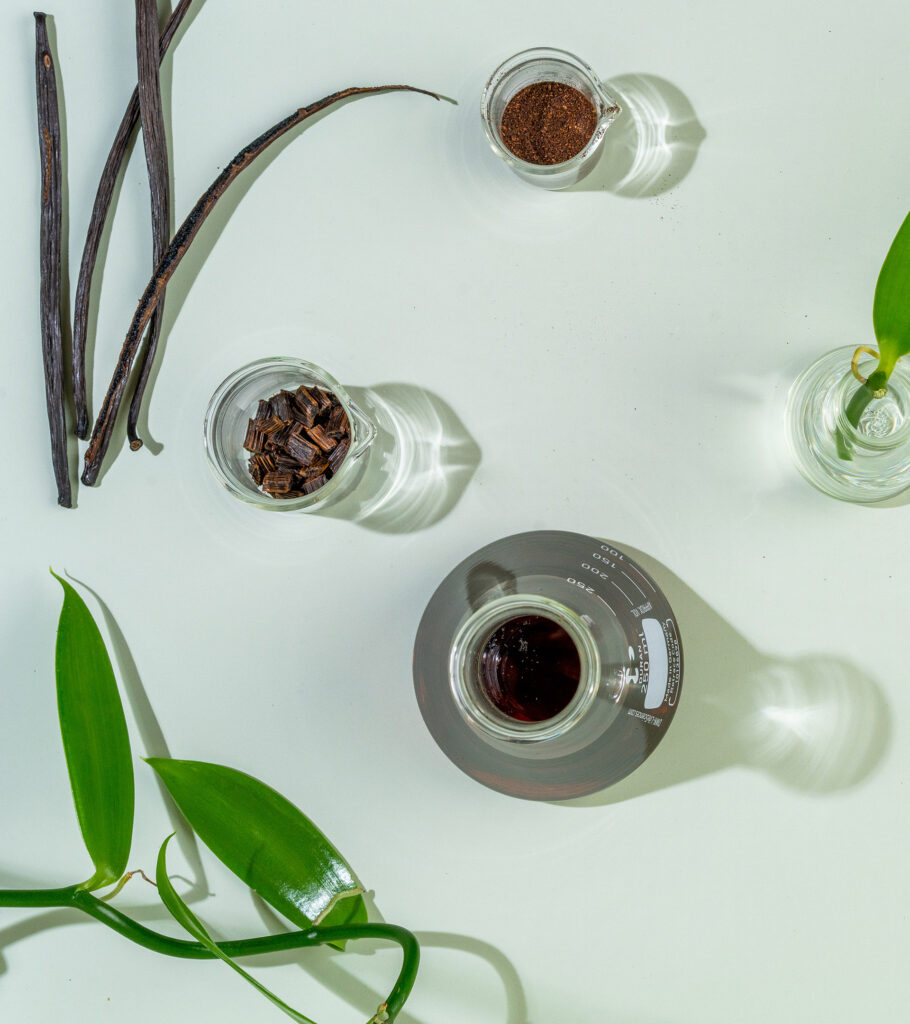
The best way to enjoy the full range of vanilla flavor and aroma is to use, well…natural vanilla. But it’s actually not that simple. There are many challenges that can negatively impact natural vanilla flavor.
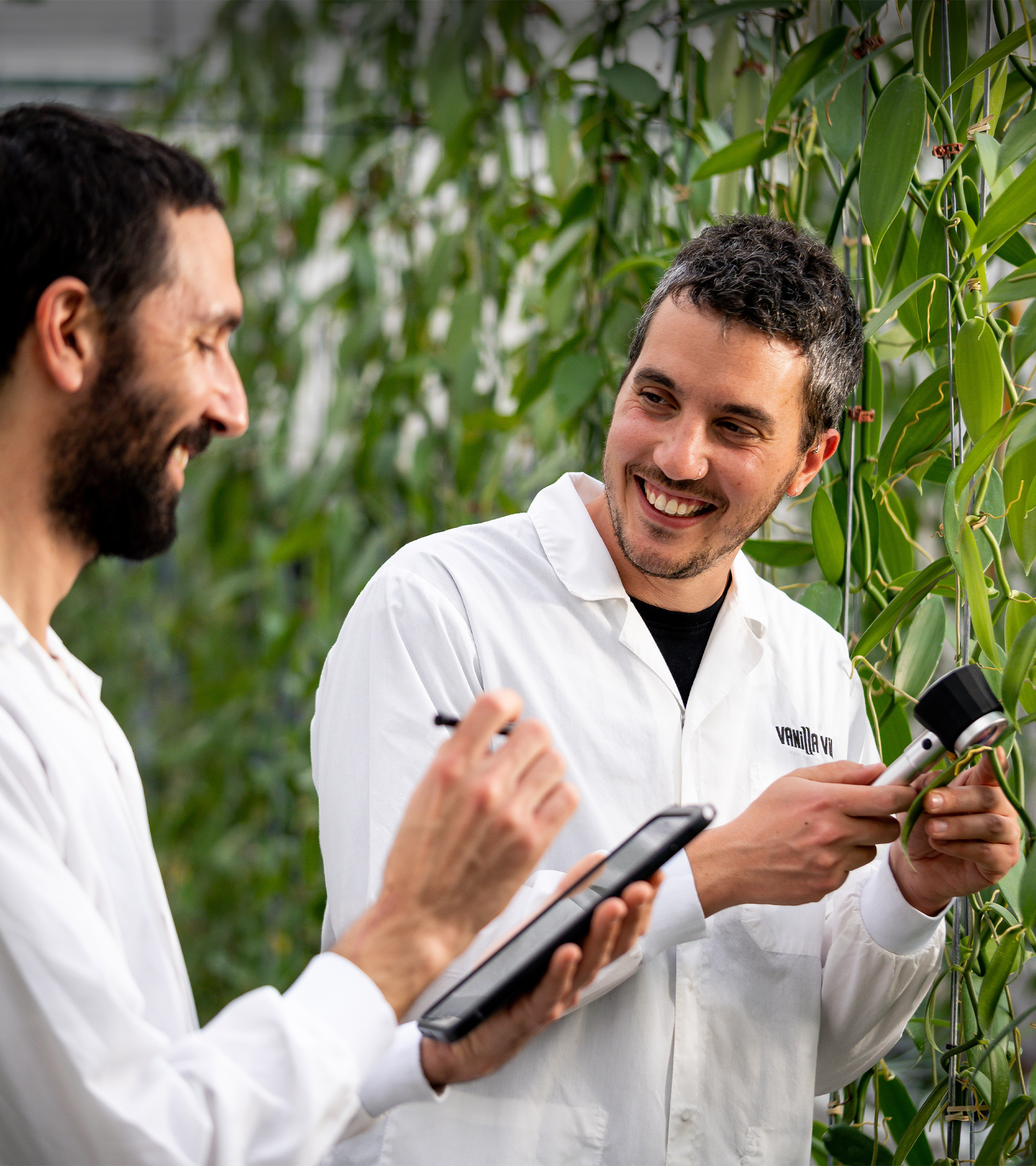
In order to enjoy the full potential of the natural vanillin molecule, it must reach chemical fruition and develop into a molecule called glucovanillin. This process usually takes a year. But climate change, which brings tropical storms that destroy crops, prompts vanilla farmers to harvest their crops earlier than normal, leading to a product with lower vanillin potential.
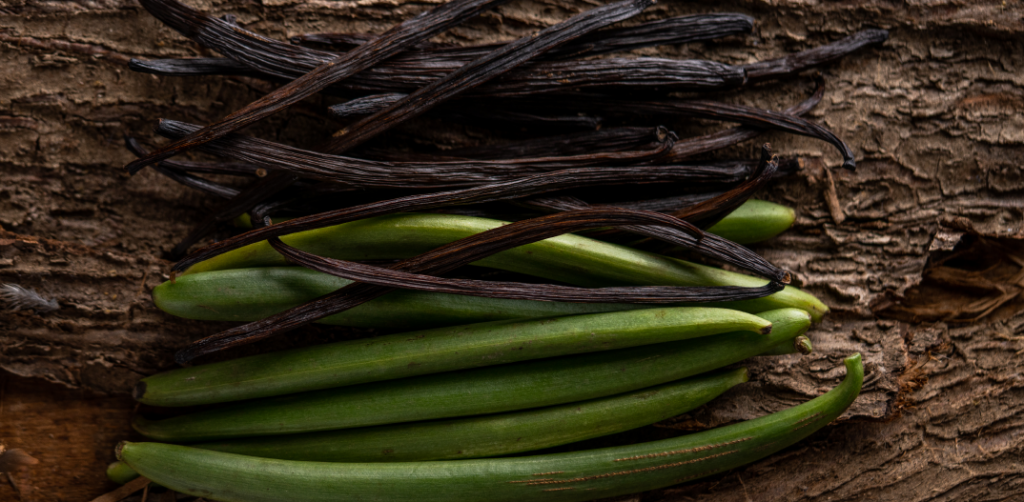
After the vanilla is harvested, it is cured. During the curing process, the glucovanillin breaks down into sugars and vanillin. Yet it is a well know that curing under traditional and uncontrolled conditions can lead to a partial conversion of flavor molecules to aroma.
Great vanillin doesn’t necessarily grow on trees
The best way to enjoy the full range of vanilla flavor and aroma is to use, well…natural vanilla. But it’s actually not that simple. There are many challenges that can negatively impact natural vanilla flavor.
In order to enjoy the full potential of the natural vanillin molecule, it must reach chemical fruition and develop into a molecule called glucovanillin. This process usually takes a year. But climate change, which brings tropical storms that destroy crops, prompts vanilla farmers to harvest their crops earlier than normal, leading to a product with lower vanillin potential.
After the vanilla is harvested, it is cured. During the curing process, the glucovanillin breaks down into sugars and vanillin. Yet it is a well know that curing under traditional and uncontrolled conditions can lead to a partial conversion of flavor molecules to aroma.
Natural vanilla is making a comeback
At Vanilla Vida, our goal is to provide the market with natural vanilla that contains vanillin that is grown and developed under optimal conditions – while also taking into full consideration all other chemical compounds that influence vanilla’s sensory profile.
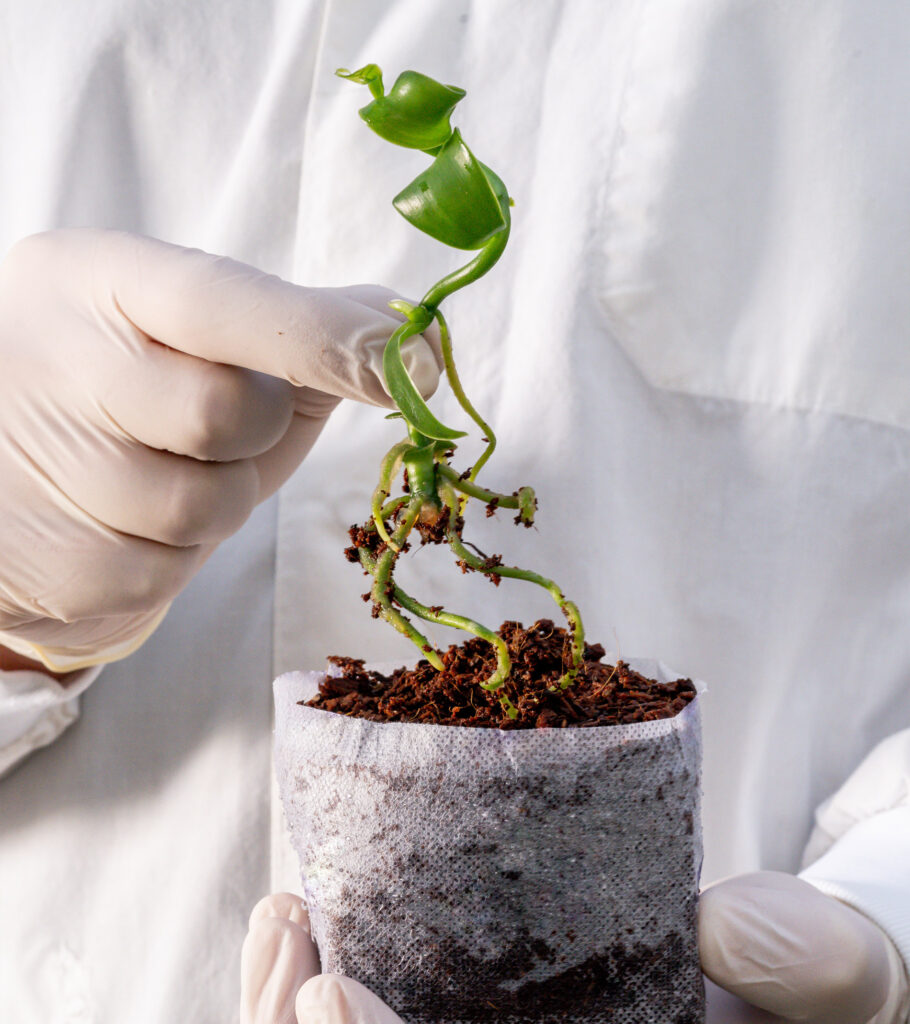
For this purpose, we use data-driven agriculture to harvest vanilla crops at exactly the right moment, when the glucovanillin levels are at their optimal levels and ensure maximum aroma potential.
Our controlled curing process ensures a complete transition of aroma potential into flavor and fragrance. In fact, independent analysis conducted by some of the world’s leading extract companies discovered that Vanilla Vida beans contain vanillin that is up to three times more concentrated than the natural vanillin market standard.
We believe that consumers deserve natural vanilla greatness. This starts with highly-concentrated natural vanillin, which opens up limitless possibilities.